DOL finalizes independent contractor rule, easing advisor classification fears
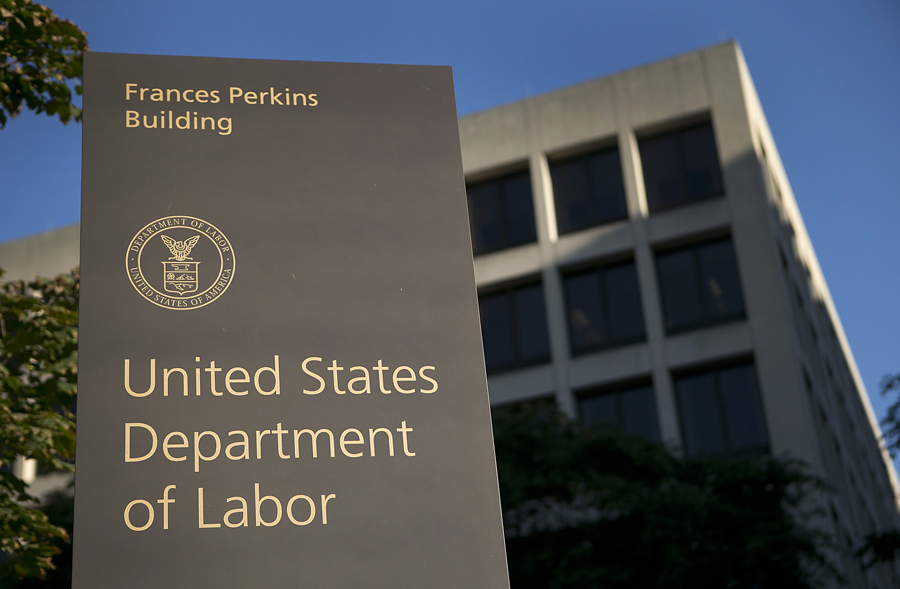
A new DOL rule restores a clearer two-factor test, giving independent advisors greater certainty over their business status.
The U.S. Department of Labor on November 19, 2026, issued its final independent contractor rule under the Fair Labor Standards Act, formally rescinding the Biden-era 2024 classification standard and restoring a framework closer to the 2021 rule that the independent advisory industry had long championed.
For the roughly 175,000 independent financial advisors who, according to the Financial Services Institute (FSI), account for approximately 60 percent of all producing registered representatives in the U.S., the ruling marks a turning point in a years-long regulatory battle over employment status.
What the new rule does
The final rule reinstates a five-factor economic reality test modeled on the 2021 regulation, with two factors designated as “core” – the nature and degree of control over the work, and the worker’s opportunity for profit or loss. Under the framework, if both core factors point to the same classification – employee or independent contractor — there is, according to the DOL, a substantial likelihood that outcome reflects the worker’s actual status.
That approach differs sharply from the 2024 rule, which applied six factors with no hierarchy, leaving businesses without clear guidance on how to weigh competing indicators.
The DOL received approximately 16,500 comments during a 60-day comment period that ended April 28, 2026 – with 86.3 percent of submissions, or 14,244 filings, expressing support for the rollback, according to the department’s own tally.
The rule also clarifies that compliance with legal obligations including securities laws and regulations does not constitute “control” indicative of an employment relationship. That clarification has direct relevance for independent advisors, whose broker-dealer affiliations for compliance and back-office functions had previously attracted scrutiny under the Biden standard.
Industry reaction
The FSI, which represents independent broker-dealers and their affiliated advisors, applauded the decision.
“Independent financial advisors are entrepreneurs and business owners who have chosen independence so they can build their own businesses, hire staff and better serve clients in their communities,” said FSI President and CEO Dale Brown. “This rule recognizes the realities of the independent business model and protects advisors’ ability to operate independently while ensuring Main Street investors continue to have access to affordable, professional financial advice.”
The FSI had submitted a formal comment letter in April 2026, backing the proposed rule and urging restoration of the 2021 framework’s core-factor structure. The organization had earlier filed suit against the DOL over the 2024 rule, calling it “arbitrary and capricious.” That lawsuit was among four legal challenges to the Biden rule that remain technically pending, though each has been stayed by the presiding courts.
The National Association of Insurance and Financial Advisors, another industry group, also hailed the move by the Labor Department.
“The majority of insurance producers, broker-dealer representatives, and independent registered investment advisors, many of whom are NAIFA members, are independent contractors who provide vital financial benefits and insurance services to consumers across the country,” said NAIFA CEO Kevin Mayeux. “Their ongoing status as independent contractors is vital to their ability to effectively serve their clients and communities.
Mayeux noted that NAIFA and its membership had worked with DOL officials to ensure reflected an “economic reality” test, which is designed to properly show the nature of an advisor’s relationship with their affliated firm.
“It is a win-win for financial professionals and consumers,” Mayeux said.
A contested history
The classification question has shadowed independent advisors for years. The 2021 rule, finalized in the final days of the first Trump administration, was delayed and then withdrawn by the Biden DOL – only for a federal court in the Eastern District of Texas to vacate those actions and reinstate it.
The 2024 rule was subsequently introduced to replace it, but faced immediate industry resistance and was effectively shelved in May 2025 when the DOL told its enforcement staff to stop applying it.
The final 2026 rule adds several examples specific to digital platform workers, farm labor contractors, and truck drivers – occupations where the classification question had generated the most legal uncertainty – alongside updates inherited from the 2021 framework. For independent advisors, though, the core-factor structure is the operative change: a clearer, two-pronged primary test that industry groups argued the 2024 rule conspicuously lacked.
What advisors should watch next
The rule takes effect 60 days after publication in the Federal Register. Advisors and their broker-dealer partners will need to review affiliation agreements in light of the clarified standards, particularly the confirmation that compliance-related oversight does not, by itself, establish an employment relationship.
The ruling arrives as the broader independent advisory sector continues to wrestle with the pressures and opportunities outlined in InvestmentNews’ 2026 Rising Stars report, which highlighted trust and independence as defining traits of the profession’s next generation.
The CFP Board, which certifies more than 100,000 financial planners in the U.S., had also backed the DOL’s proposal to rescind the 2024 rule, citing the goal of bringing greater clarity to the employee-versus-contractor question. Its support, alongside FSI’s, reflected the breadth of industry consensus behind a more predictable classification standard.