Fed survey shows continued growth and sticky inflation in recent weeks
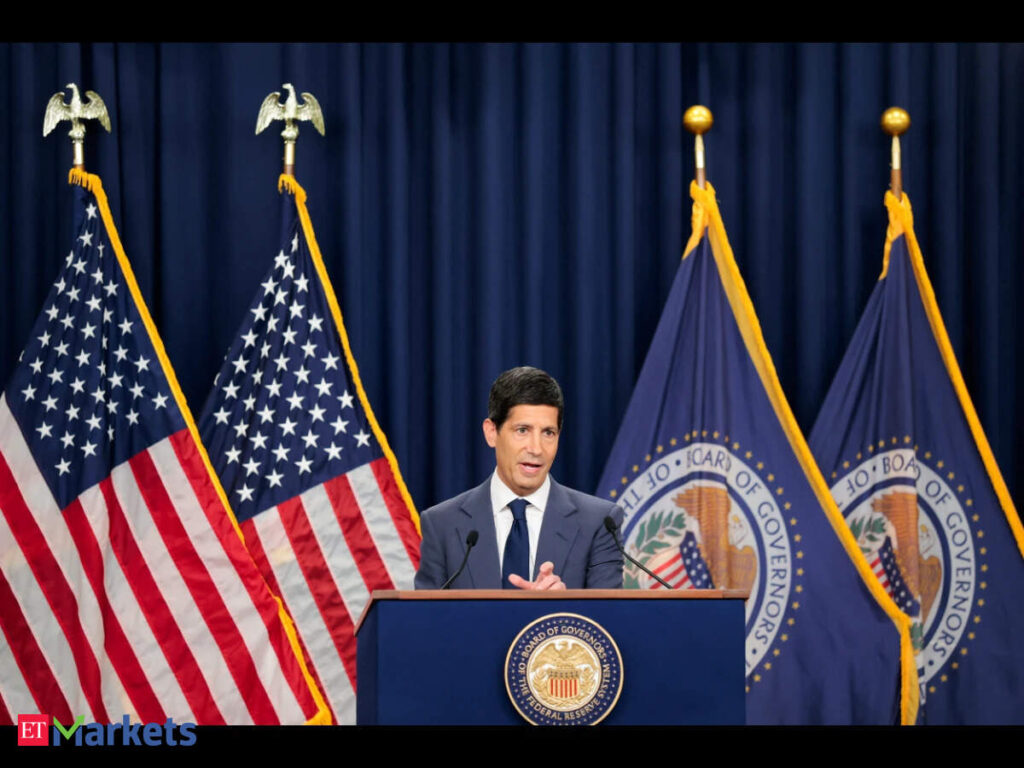
“Prices increased moderately overall, as in the prior reporting period,” the Fed said in its latest “Beige Book” report, a compendium of survey-based data and commentary from businesses compiled by its 12 regional banks to provide a read on economic conditions. “Contacts across a range of sectors reported sustained cost pressure from energy, transportation, healthcare, insurance, and tariff-related expenses.”
Still, input costs were outpacing selling price increases, the report said, “as competitive pressures and customer price sensitivity limited firms’ ability to fully pass through higher costs. Contacts expected both expenses and prices to continue rising in the coming months.”
For Fed officials, the survey is a touchstone of sorts beyond the structured data readouts they consume as part of their policymaking regimen, providing a nuanced feel for how the economy is doing and what is top of mind for businesses and consumers.
The Fed is broadly expected to raise its policy rate, currently in the 3.75%-4.00% range, by at least a quarter of a percentage point at its December 8-9 meeting. Market-based expectations, however, have eased amid a steep selloff in stock markets over concerns about the sustainability of the artificial intelligence investment boom.
For live updates on US Markets, click here
Still, even with the equity market decline tightening financial conditions, Fed policymakers have sounded increasingly concerned about inflation that has held above their 2% target for more than five years and recently has been accelerating.Earlier on Wednesday the Commerce Department reported that the Personal Consumption Expenditures Price Index, which the Fed uses to set its inflation target, rose 3.8% in October from a year before. More worrying perhaps was that the PCE measure excluding food and energy costs – seen as a better gauge of underlying trend inflation – ticked up more than expected to 3.3% on a year-over-year basis, the highest in three years.
The latest Beige Book was the first covering the weeks immediately after midterm elections that hinged on voters’ inflation and affordability concerns. The outcome – with Democrats winning both houses of Congress – delivered a decisive repudiation of policies championed by the Trump administration.