
Trump administration’s cap on student loans have borrowers turning to private lenders
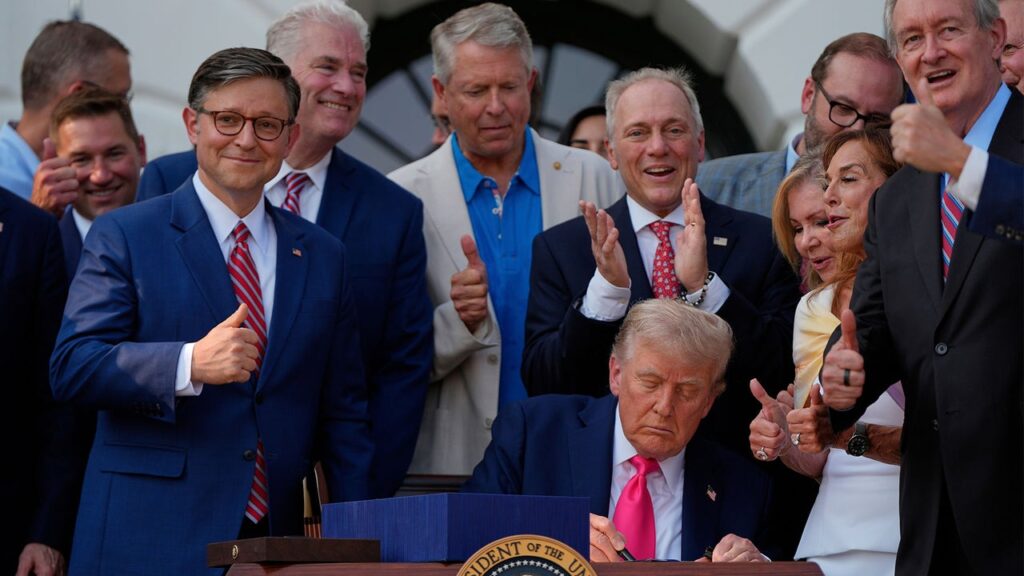
Before Trump’s Big Beautiful Bill, graduate students could take out federal loans covering the full cost of a degree.
New limits on federal student loans filled Chloe Frabotta with anxiety as she began studying in New York City to become a physician assistant.
The changes that took effect this fall include caps on loans for particular programs as well as limits on the amount parents can borrow to pay for their children’s schooling. Up until weeks before Frabotta, 25, started her program, it was up in the air whether it would count as a “professional” program with higher loan limits.
Amid the uncertainty, she borrowed around $6,000 in federal loans for her first trimester, taking out private loans for the rest with her mother as a cosigner.
“At least in my circles a lot of people were like, ‘I guess that’s what I’m going to have to do, and I’m going to try to make it work,’” Frabotta said.
Students have been turning to private lenders to make up the difference between the cost of their educational programs and the amount they can borrow from the federal government, which offers more flexible repayment terms, the possibility of forgiveness after 10 years in public service, and — for many — lower interest rates.
It’s showing up in banks’ bottom lines. Private lender SoFi reported in late October that student loan originations hit $2.9 billion in the third quarter, nearly doubling from a year earlier. Days earlier, Sallie Mae, which controls more than half of the private student loan market, said graduate loans were up 119% year-over-year.