Spain City Hopping: Barcelona, Valencia & Madrid
Spain rewards travellers who resist the temptation to settle in one place. A few days in Barcelona might revolve around Gaudí’s extraordinary architecture and late dinners, while Valencia introduces a slower Mediterranean rhythm shaped by sandy beaches, lively markets and the scent of saffron drifting from restaurant kitchens. Madrid brings a different energy altogether, with grand boulevards, world-class art collections and neighbourhood bars that stay busy well into the evening. Together, these three cities create a varied Spanish escape, with each stop revealing a different side of the country’s culture, cuisine and everyday life. The distances between them make the combination particularly appealing. Rather than spending an entire holiday behind the wheel, travellers can connect the cities by train and arrive close to the places they want to explore. A little planning helps keep the itinerary comfortable, leaving time for spontaneous tapas stops, long lunches and the occasional afternoon spent doing very little.
Getting Between Spain’s Biggest Cities By Train
One of the biggest advantages of combining Barcelona, Valencia and Madrid is how easily they can be connected by rail. Spain’s high-speed network makes travelling between major cities comfortable and convenient, allowing visitors to spend less time organising transfers and more time exploring. The Barcelona to Madrid train is particularly useful for travellers planning to finish their trip in the capital, with services linking the two cities in just a few hours. Booking tickets in advance gives you more choice over departure times and helps keep the itinerary organised, leaving plenty of room for leisurely lunches, market visits and spontaneous detours along the way.
Barcelona: Architecture That Changes The Cityscape
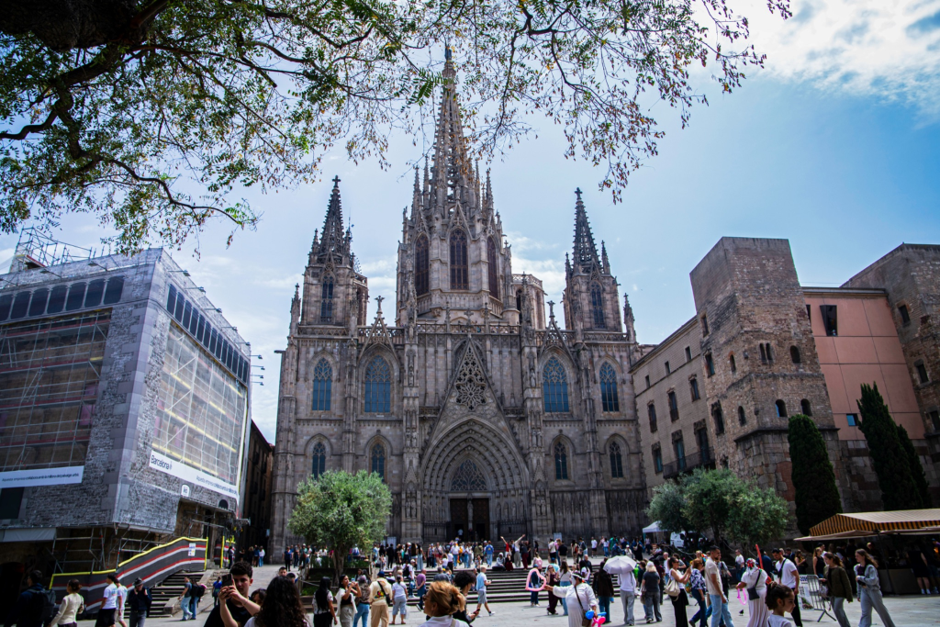
Barcelona is a city best explored with your eyes raised. Antoni Gaudí’s architectural creations give the Catalan capital a distinctive personality, from the sculptural façade of Casa Batlló to the elaborate towers of the Sagrada Família. The basilica deserves a place near the top of any itinerary, although booking timed entry in advance is sensible, especially during busy holiday periods. Its intricate interiors and coloured light filtering through the stained-glass windows can hold the attention of visitors who might otherwise tire of traditional sightseeing. Beyond the famous landmarks, Barcelona’s neighbourhoods reveal a more everyday side of the city. The Gothic Quarter invites unhurried wandering through narrow streets, small squares and historic buildings, while El Born combines independent boutiques with galleries and cafés. La Boqueria market, just off La Rambla, is a lively place to browse seasonal produce and pick up something to eat, although quieter local markets can be more comfortable for a leisurely visit. Food is central to the Barcelona experience, but Catalan cooking deserves attention beyond the familiar plate of tapas. Try pa amb tomàquet, toasted bread rubbed with tomato and olive oil, or look for seafood dishes and seasonal vegetables on restaurant menus. In the evening, the city’s dining scene comes alive, making it worth leaving room for a late meal rather than trying to fit everything into the afternoon.Travelling between the first two cities is straightforward by rail. The Barcelona to Valencia train journey allows visitors to exchange one Mediterranean setting for another without arranging a hire car or navigating unfamiliar motorways. Departure stations, journey times and ticket conditions vary by service, so it is worth checking the details before booking.
Valencia: Where Paella Belongs On The Menu
Valencia provides a natural change of pace after Barcelona, making it an essential stop for Spain city hopping. The historic centre has elegant squares, ornate façades and narrow streets that lead towards the Mercado Central, one of the city’s most impressive places to browse local ingredients. Inside, stalls display fresh seafood, fruit, vegetables, cured meats and regional specialities. Arriving earlier in the day gives visitors a better chance to experience the market while it is busy with local shoppers.
Valencia’s most famous culinary export is paella, and eating it here is an opportunity to appreciate the dish in its traditional setting. Valencian paella is typically prepared with rice, chicken, rabbit, green beans and other local ingredients, rather than the mixed seafood combinations often found elsewhere. Many restaurants serve it at lunchtime, so planning a midday meal can be more rewarding than expecting to order an authentic version late in the evening. Reservations are useful at popular establishments, particularly at weekends. The city also has plenty to offer beyond food. The Turia Gardens occupy the former riverbed, forming a long green corridor through the urban landscape. Walking or cycling along its paths is an easy way to spend a few hours, with playgrounds, fountains and shaded areas along the route. At the eastern end, the City of Arts and Sciences presents a striking collection of contemporary buildings, including an aquarium and interactive science museum. Those seeking sand and sea can head to Malvarrosa Beach, where a promenade lined with restaurants makes it easy to combine a swim with a relaxed meal.
Madrid: Palaces, Art and Nights That Run Late
Madrid brings the trip to a grand finish. Spain’s capital has a scale and confidence that set it apart from Barcelona and Valencia, with broad avenues, imposing civic buildings and lively residential districts. The Royal Palace is among the city’s most recognisable sights, its formal rooms and decorative details reflecting centuries of royal history. The surrounding area is ideal for a walk, particularly when combined with the nearby Plaza de Oriente and the gardens around the palace. Art lovers should make time for the Prado Museum, home to major works by Spanish masters including Velázquez and Goya. The collection is extensive, so choosing a few artists or rooms in advance can make the visit more manageable. The Reina Sofía offers a different perspective, with modern and contemporary art and Picasso’s Guernica among its most famous works. For a less structured afternoon, Retiro Park has tree-lined paths, a boating lake and places to sit with a drink or a takeaway snack. Madrid’s culinary identity is closely tied to socialising. Tapas bars invite visitors to share several small dishes, while traditional taverns serve hearty meals that reflect the capital’s varied influences. Mercado de San Miguel is convenient for sampling different foods in one place, although it can be crowded. For a more neighbourhood-focused experience, explore areas such as La Latina, where streets fill with diners and people moving between bars.
Planning a Three-City Route Without Rushing
A week is a reasonable starting point for Spain city hopping, although the ideal duration depends on how much time travellers want to spend in museums, on the coast or at the dining table. Three nights in Barcelona, two in Valencia and two in Madrid allow visitors to explore all three destinations without making every day feel tightly scheduled. Those with extra time could add another night in Valencia for the beach or extend their stay in Madrid to explore its museums and neighbourhoods more thoroughly.
The order of travel also matters. Starting in Barcelona, continuing south to Valencia and finishing in Madrid creates a logical route, with rail connections helping to keep transfers manageable. Check whether accommodation is close to public transport, particularly if arriving with luggage or reaching the city late in the day. In all three destinations, walking is rewarding, but comfortable shoes and a willingness to use buses, metros or taxis can make longer days easier. Spain’s warmest months can bring intense heat, especially during the middle of the day. Spring and autumn often suit city sightseeing well, while summer visitors may prefer early starts, longer lunch breaks and outdoor activities later in the afternoon. Popular attractions should be booked in advance when possible, leaving the rest of the schedule flexible.
Three Cities, Three Distinct Experiences
Barcelona, Valencia and Madrid fit together because they do not feel interchangeable. Barcelona combines architectural experimentation with Catalan traditions, Valencia places rice dishes and Mediterranean life at the centre of the experience, and Madrid brings together royal heritage, major art collections and a lively dining culture. Spain city hopping allows travellers to experience these contrasts without devoting too much of the holiday to transport. Travelling between them by train makes the journey convenient and comfortable. The most satisfying Spain city hopping itinerary leaves room for more than just the headline attractions. A market breakfast, an unexpected turn down a side street or an evening that stretches from tapas into conversation can become just as memorable as a famous palace or landmark. With a sensible route and enough time in each destination, Spain’s city-hopping trio delivers a holiday shaped by architecture, regional flavours and three different ways of enjoying Spanish life.
Find a Home-Based Business to Start-Up >>> Hundreds of Business Listings.