
Oil jumps more than 2% after ships attacked near Strait of Hormuz, reigniting Australian fuel concerns
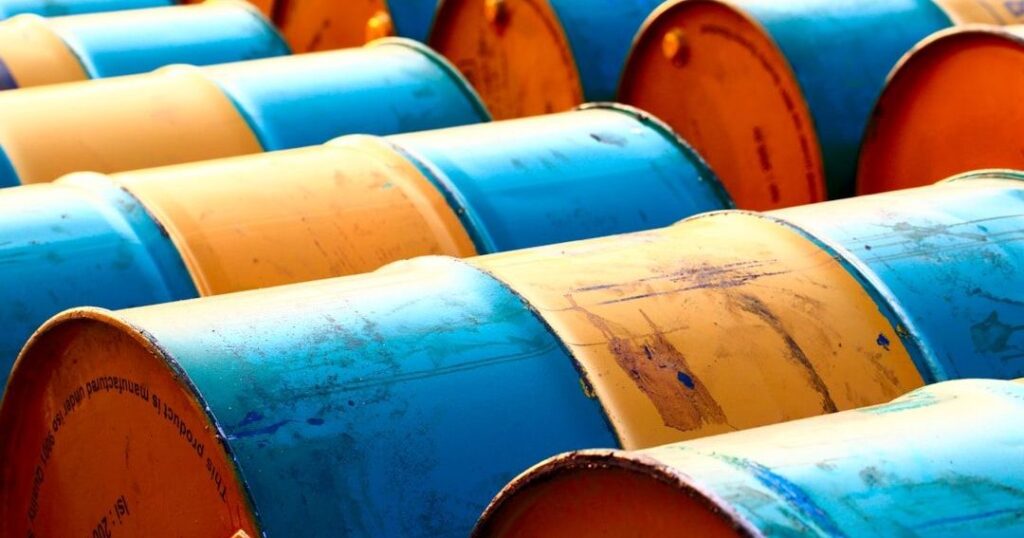
Global oil prices have jumped more than 2% after fresh attacks on commercial vessels near the Strait of Hormuz renewed concerns about energy supply disruptions, adding to uncertainty surrounding Australian petrol and diesel prices.
Brent crude futures settled US$2.03 higher at US$91.40 a barrel on Tuesday, a gain of 2.27%, while US West Texas Intermediate crude rose 2.35% to US$82.05.
The recovery followed a volatile session in which both benchmarks initially fell to their lowest levels in several months before geopolitical concerns drove prices higher.
The latest developments underline the fragile balance between weakening global oil demand expectations and continued supply risks in the Middle East.
Shipping attacks raise supply fears
The United Kingdom Maritime Trade Operations reported that three vessels were struck by unidentified projectiles while travelling east through the Strait of Hormuz on Monday.
All three ships continued their voyages and their crews were accounted for.
Separately, Iran’s Revolutionary Guards said a container ship had been targeted while travelling along what they described as an unauthorised route.
The Strait of Hormuz is one of the world’s most strategically important energy shipping routes, connecting major Gulf oil producers with international markets.
Further disruption could increase shipping costs, insurance premiums and delivery times, even if physical oil production remains unaffected.
Global surplus limits gains
Despite the latest price increase, oil markets continue to face concerns about excessive supply.
Brent briefly fell to US$88.10 a barrel on Tuesday, while US crude touched US$79.07 before recovering.
Analysts have warned that growing global production and softer economic activity could create a surplus if demand fails to absorb additional supply.
Strategic stockpile releases and the diversion of shipments through alternative routes have also helped cushion the market against some Middle Eastern disruptions.
The competing pressures are creating sharp price swings, with traders responding to geopolitical developments while monitoring the outlook for consumption.
Australian motorists remain exposed
Australia’s reliance on imported refined fuels leaves consumers vulnerable to changes in global oil markets.
Higher crude prices can eventually feed into petrol and diesel costs, although the impact depends on refinery margins, exchange rates and the timing of wholesale price changes.
Fuel prices have already been a major contributor to Australia’s inflation problem.
Economists expect petrol costs to have risen sharply in October, potentially pushing annual inflation towards 4.8%.
Higher diesel prices can also increase costs for freight operators, farmers and mining businesses.
Inflation and interest rates in focus
Renewed oil price volatility creates another challenge for the Reserve Bank as it attempts to bring inflation under control.
Even where higher fuel prices are temporary, they can affect inflation expectations and raise operating costs across the economy.
For Australian investors and businesses, attention will remain on developments around the Strait of Hormuz and whether global supply can offset further shipping disruptions.
The immediate question is whether Tuesday’s rebound marks another sustained rise in oil prices or a temporary reaction to geopolitical tensions.