
IRS lifts 2027 401(k) limit to $25,500, holds IRA cap at $7,500
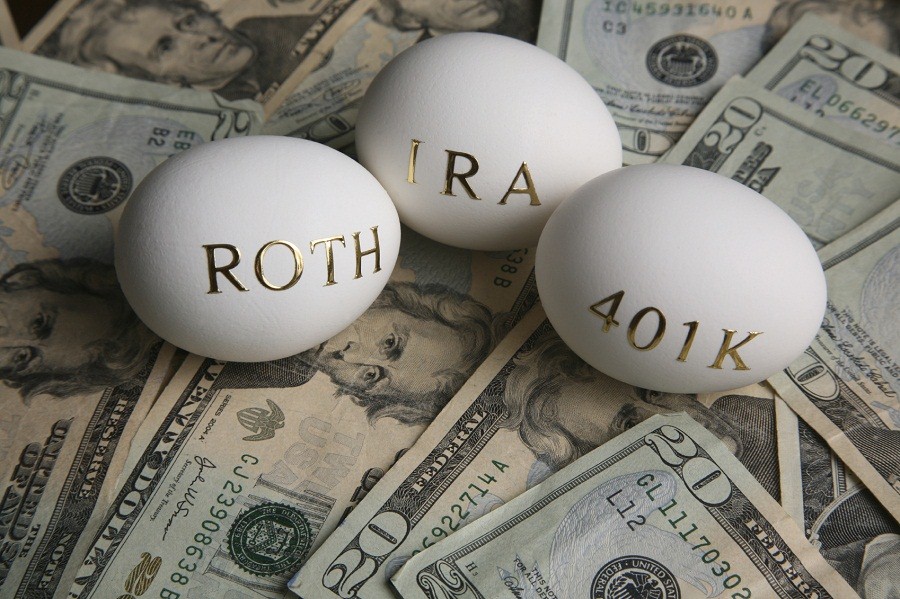
Higher catch-up caps, wider Roth IRA phase-outs and a bigger QCD ceiling give advisors new planning room for 2027
Clients can shelter $1,000 more in their 401(k) plans in 2027, but IRA savers will get no extra room, according to the latest update on contribution limits from the Internal Revenue Service.
Under the updates and technical guidance unveiled Thursday, the elective deferral limit for 401(k), 403(b) and governmental 457 plans and the federal Thrift Savings Plan rises to $25,500 from $24,500.
The IRA contribution limit stays at $7,500, and the IRA catch-up for savers 50 and older holds at $1,100. The freeze follows a $500 increase a year ago, when the IRS lifted 401(k) and IRA contribution limits for 2026.
“With the new adjustment in place now, the IRS is giving taxpayers and employers the information needed to make retirement planning decisions for the year ahead,” IRS Chief Executive Officer Frank J. Bisignano said in a Thursday statement announcing the updated caps.
Catch-up contribution limits rise for older savers
Participants 50 and older in most plans can add $8,500 in catch-up contributions next year, up from $8,000, for a total of $34,000. The higher SECURE 2.0 catch-up for workers turning 60 through 63 is being adjusted up to $11,750 from $11,250.
Under SECURE 2.0, participants whose prior-year wages exceed an indexed threshold must make catch-ups on a Roth basis. The notice lifts that threshold to $155,000 from $150,000, so 2026 wages above that level will require Roth-only catch-ups in 2027.
The cap on combined employee and employer contributions to defined contribution plans is also climbing to $75,000 from the current level of $72,000.
IRA phase-outs by filing status
The income bands governing IRA deductions and Roth eligibility all moved higher. For single filers and heads of household covered by a workplace plan, the traditional IRA deduction phases out between $83,000 and $93,000, compared with $81,000 to $91,000 this year.
For married couples filing jointly where the contributing spouse has workplace coverage, the range is shifting to $133,000 to $153,000. When only the other spouse is covered, it phases out between $250,000 and $260,000.
Roth IRA contributions phase out between $158,000 and $173,000 for singles and heads of household, up from $153,000 to $168,000, and between $250,000 and $260,000 for joint filers. For married individuals filing separately, both ranges stay at $0 to $10,000 because they aren’t indexed.
Charitable and long-term care limits
The annual cap on qualified charitable distributions, direct transfers from an IRA to charity that are excluded from gross income, is being raised to $114,000 from $111,000. The one-time QCD election to a split-interest entity increases to $57,000 from $55,000.
The limit on qualified long-term care distributions from defined contribution plans, used for certified long-term care insurance, rises to $2,700 from $2,600.
For lower-income clients, the Saver’s Credit will apply only to ABLE account contributions after 2026, when the new Saver’s Match takes over for retirement plans and IRAs, the notice says.