
Invest in Invoicing Software: 5 Signs It’s Time
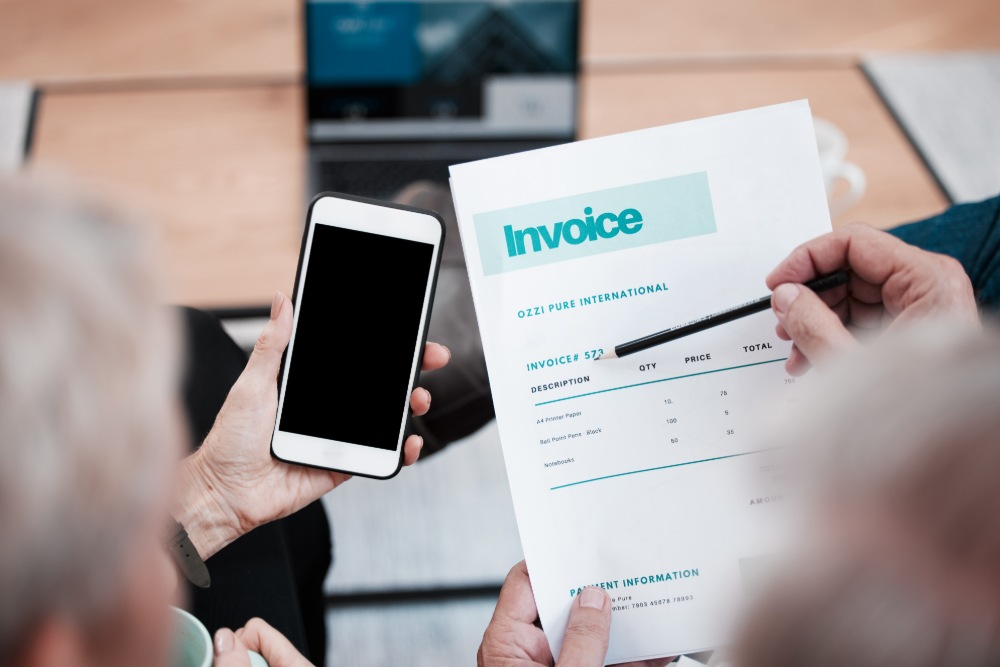
A home-based graphic designer agrees a price over the phone, then sends an invoice for a different amount a week later. The design is good and the invoice looks professional, but now the client has a question to sort out before paying, and the money sits in limbo.
Most home businesses start with a word processor template and a spreadsheet, and for a while that works. The trouble starts when the business grows faster than the admin behind it.
This guide covers five signs your current setup is costing you time or money, using a small Australian design job as a running example, plus what to check before you pay for a plan.
Key Takeaways
- Mismatched quotes and invoices are a process problem first; software helps only once the process is clear.
- Retyping the same client and job details is the most common sign a template has been outgrown.
- Automatic reminders, recurring invoices and bank feeds save the most time for small service businesses.
- Compare the full subscription cost, card fees and export options before choosing a plan.
1. Your Quotes and Invoices Don’t Line Up
If clients regularly query your invoices, start by looking at your quotes. A quote sets out the proposed work and price; the invoice asks for payment at the agreed point. When the two documents describe the job differently, billing surprises follow. Choosing to Invest in Invoicing Software can help keep approved quotes and invoices consistent and reduce billing errors.
Business.gov.au recommends a written quote include your business name, ABN and contact details, the customer’s details, a clear description of the work, itemised and total costs (with GST if applicable), payment terms, preferred payment method, work dates, a quote expiry date and space for the customer to sign and date their acceptance. Using Invest in Invoicing Software can help keep these approved quote details organised and make it easier to create accurate invoices.
That level of detail matters, because Business Queensland notes that a quote becomes a legally binding contract once the customer accepts it. It also advises getting a signature or written confirmation before you start work or order materials. When you Invest in Invoicing Software, you can keep accepted quotes and related invoice records organised for easier reference.
Here is how that looks in practice. Sam runs Sample Studio, a home-based design business that is not registered for GST. Sam quotes a client, Placeholder Pty Ltd, four hours of logo refinement at AUD 75 per hour, totalling AUD 300, with one round of revisions included. The quote asks for AUD 100 before work starts and the balance on delivery. Choosing to Invest in Invoicing Software can help Sam manage these quotes, deposits, and final payments more efficiently.
The client replies “approved” on the quote’s email thread, and Sam saves that email with the quote. (These figures illustrate the process; they are not recommended rates or standard deposit terms.)
When the work is delivered, Sam’s invoice mirrors the approved quote:
- Heading: Invoice
- Bill to: Placeholder Pty Ltd
- Reference: Quote Q-001, approved by email
- Logo refinement, 4 hours at AUD 75.00: AUD 300.00
- Less deposit received: AUD 100.00
- Balance owing: AUD 200.00
- No GST has been charged (Sample Studio is not registered for GST)
- Issue date 3 February 2027, due date 17 February 2027 (both illustrative)
Because Sam isn’t registered for GST, the document is headed “Invoice”. Business.gov.au says businesses that aren’t registered for GST must not use the words “tax invoice”. GST-registered businesses issue tax invoices instead, and the ATO says tax invoices for sales of AUD 1,000 or more must also show the buyer’s identity or ABN. When you Invest in Invoicing Software, check that it supports the correct invoice format for your GST registration status.
If your process is this clear but you still spend an hour assembling each invoice by hand, read on.
2. You Keep Retyping Approved Information
Copying a client’s address, ABN and job description from the quote into the invoice, then into a spreadsheet, is repeat work. Every manual copy is another chance to mistype an amount or reference the wrong quote.
Software that lets you create quotes and invoices from saved details removes most of that double handling.
MYOB, for example, lets you store contact and pricing details, add your own colours and logo, and convert an accepted quote straight into an invoice, so the approved descriptions and prices carry across without retyping.
For a home business, that means the invoice Sam sends matches the quote the client approved, every time.
Whichever tool you consider, check which plan includes quote conversion before you sign up, and compare the payment processing charges that come with it.
3. Follow-Ups Depend on Your Memory
If you only notice an overdue invoice when you happen to check your bank balance, payments will slip. Many invoicing tools let you schedule payment reminders with your own wording, so follow-ups go out on time even during a busy week.
Reminders can’t guarantee payment, and they can backfire if used carelessly. Set a schedule that matches the payment terms on your quote, pause reminders on any invoice the client has disputed, and check your bank account before a reminder goes out so you don’t chase someone who has already paid.
4. You Bill the Same Work Every Month
A monthly retainer, a recurring maintenance job or a regular bookkeeping arrangement means producing the same invoice again and again. Recurring invoices let you set up the billing once and have it sent on schedule.
Before switching one on, confirm the scope, price and billing dates with the client, and diarise a review. If the work changes and the recurring invoice doesn’t, you are back to the mismatch problem from sign one.
5. Matching Payments to Invoices Takes Too Long
When three clients pay similar amounts in the same week with vague references, working out who has paid what can eat an evening.
Bank feeds bring your transactions into the software so deposits can be matched to open invoices, though payments with unclear references may still need a manual check.
Card payments add another consideration. From 1 October 2026, the eftpos, Mastercard and Visa networks introduced no-surcharge rules, so businesses can no longer pass card fees on to customers paying with those cards.
If clients will pay invoices by card online, budget those merchant fees as a business cost.
What to Check Before Choosing a Plan
A template and a payment log may still be enough for a very small operation. Before you switch, compare your current invoice against the essentials every invoice should carry to see whether the gaps are in your template or your process. If software is the answer, work through these questions:
- Does the plan include the features you need, such as quote conversion, reminders or recurring invoices?
- What is the ongoing subscription cost once any introductory offer ends?
- What processing fees apply when clients pay by card online?
- Does it connect to every bank account you use for the business?
- Can you export your records in a usable format if you leave?
The last question matters more than it seems. Business.gov.au says most business records must be kept for five years, and some for longer, so your quotes, approvals and invoices need to stay accessible even if you change providers.
Conclusion
Invoicing software won’t fix an unclear quote or vague payment terms, but once your process is sound, it removes the repetitive work that keeps you from paid jobs.
If you recognise two or more of these signs, it is worth trialling a tool against a few real jobs, checking the full cost after any offer ends and confirming you can take your records with you.
FAQ
Can a Home Business Use Invoicing Software If It Isn’t Registered for GST?
Yes. Just make sure your invoices are headed “Invoice” rather than “Tax invoice”, and show that no GST has been charged.
Is an Accepted Quote Legally Binding in Australia?
Business Queensland says a quote becomes a legally binding contract once the customer accepts it. This is general information, not legal advice on a specific dispute.
How Long Should I Keep Quotes and Invoices?
Most business records must be kept for at least five years, starting from when you created or received the record or completed the transaction, whichever is later. Some records need to be kept longer.
Can I Add a Surcharge When Clients Pay an Invoice by Card?
Not on eftpos, Mastercard or Visa payments. Since 1 October 2026, surcharges on those card networks are no longer allowed, so treat card fees as a cost of doing business.
Find a Home-Based Business to Start-Up >>> Hundreds of Business Listings.