How It Shapes Everyday Living
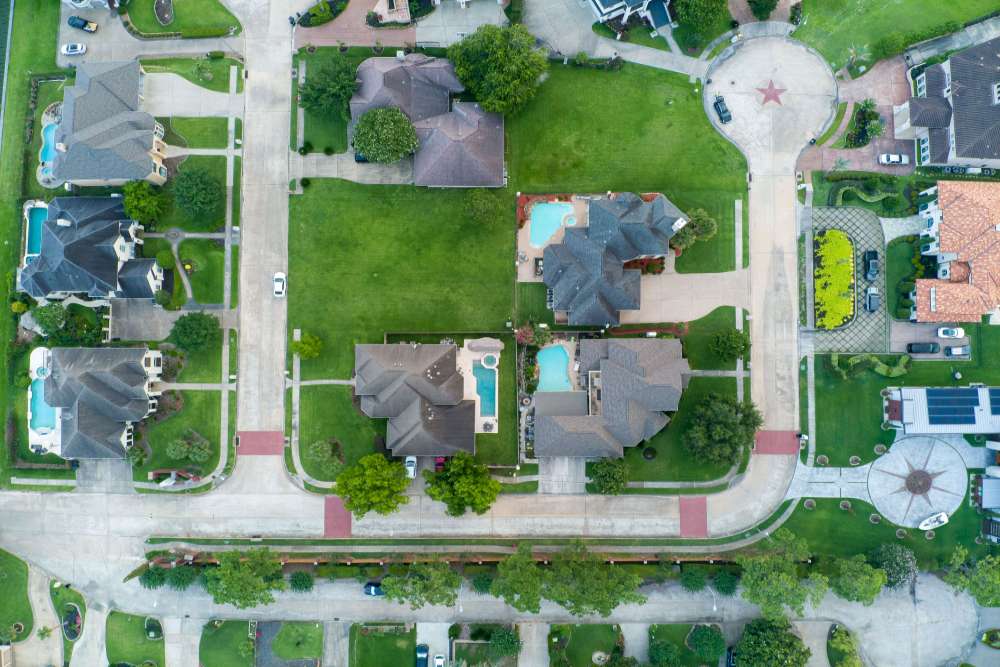
Buying a home is often treated as a decision about square footage, floor plans, and mortgage payments. However, the neighborhood surrounding a property can influence daily life just as much as the house itself. Walking routes, shared green spaces, nearby schools, and opportunities to meet neighbors all contribute to the experience of living somewhere.
This is why community design deserves serious attention during the homebuying process. A thoughtfully planned neighborhood, with effective neighborhood design, can make everyday routines easier while creating opportunities for recreation and social connection.
Understanding how residential communities are designed helps buyers evaluate not only where they want to live today, but also how their needs may change over time.
Look Beyond The Floor Plan When Choosing a Community
An attractive house can lose some of its appeal when the surrounding neighborhood does not support your lifestyle. Before comparing interior finishes, consider how the community’s layout influences movement, recreation, and everyday convenience.
Master-planned developments often approach these considerations through coordinated residential streets, shared amenities, landscaping, and public gathering areas.
For example, La Segarra, a master-planned community in Brookshire, Texas, combines new residential homes with plans for walking trails, parks, and a central plaza inspired by Spanish countryside design. Its location near Katy also illustrates how buyers can consider quieter residential surroundings while remaining connected to nearby commercial areas.
The important question is whether these features match your household’s priorities.
A beautiful entrance or attractive architectural theme may create a strong first impression, but long-term satisfaction depends on how comfortably the neighborhood supports ordinary life.
Understand How Walkability Changes Daily Routines
Walkability is not limited to neighborhoods with restaurants and shops within a few blocks. In residential communities, it can also mean having comfortable routes for evening walks, outdoor exercise, and visits to shared spaces.
Connected sidewalks and walking trails encourage residents to spend time outside without depending on a car for every recreational activity.
For families, these routes may provide opportunities to walk together after dinner or enjoy nearby green spaces.
However, buyers should look beyond promotional descriptions.
Consider whether pathways connect important destinations, whether street crossings feel safe, and whether adequate shade is available during warmer months.
Lighting, accessibility, and ongoing maintenance also influence how frequently people use outdoor routes.
A neighborhood becomes more walkable when its design makes everyday movement comfortable rather than merely providing a decorative trail.
Evaluate Shared Amenities For Everyday Use
Community amenities can be appealing during a home tour, but their real value depends on how often residents can realistically enjoy them.
Parks, playgrounds, gathering spaces, and recreational facilities serve different purposes for different households.
Parents with young children may prioritize nearby play areas, while remote workers might appreciate quiet outdoor spaces for occasional breaks.
A central gathering area can support seasonal celebrations, informal conversations, and community events.
However, buyers should distinguish between amenities already available and those planned for future development.
Ask about construction schedules, access restrictions, maintenance responsibilities, and any additional fees.
It is also worth considering whether the facilities will remain suitable as the community grows.
The most useful amenities are not necessarily the most elaborate. They are the ones residents can incorporate naturally into their routines.
Consider How Neighborhood Design Encourages Connection
Community living involves more than sharing an address with other homeowners.
The arrangement of streets, parks, and gathering areas can influence how frequently neighbors encounter one another.
Front-facing porches, connected pedestrian routes, and centrally located green spaces may create opportunities for casual interaction.
These small encounters can gradually help residents become familiar with their surroundings.
However, physical design alone cannot guarantee a welcoming social environment.
Community activities, respectful communication, and shared expectations also contribute to neighborhood relationships.
Prospective buyers can visit at different times of day to observe how public spaces are used.
Talking with existing residents, where possible, may offer additional insight into neighborhood culture.
A good community provides opportunities for connection without requiring everyone to participate in the same activities.
Research Schools and Long-Term Family Needs
School access can influence homebuying decisions even for households without school-age children.
Families should research school district boundaries, transportation arrangements, educational programs, and enrollment requirements before purchasing.
Boundaries and assignments may change, so information should be confirmed directly with the appropriate district.
Buyers should also think beyond their immediate circumstances.
A household planning to grow may need additional bedrooms, flexible living areas, and convenient access to recreational facilities.
Others may prefer a smaller home with manageable maintenance responsibilities.
Community design should accommodate these changing priorities wherever possible.
Rather than assuming one neighborhood suits every stage of life, evaluate whether its housing options and surrounding services align with your likely future needs.
Thoughtful planning can reduce the pressure to move again when circumstances change.
Compare Commute Convenience With Residential Atmosphere
Many buyers want peaceful surroundings without feeling disconnected from employment centers, shopping, healthcare, and entertainment.
This balance often shapes decisions about communities located outside major urban centers.
A quieter neighborhood may offer more open space and a different residential atmosphere, but commuting requirements still deserve careful evaluation.
Test driving routes during typical work hours can reveal differences that are not obvious from a map.
Consider school drop-offs, grocery shopping, medical appointments, and other recurring journeys.
Future road construction and regional development may also influence travel patterns.
Buyers who work remotely should assess internet availability and the practicality of creating a dedicated workspace.
The ideal location is not simply the one with the shortest advertised distance to a nearby city.
It is the location that makes your most frequent journeys manageable.
Examine Ownership Costs Beyond The Mortgage
The purchase price represents only one part of the financial commitment involved in homeownership.
Property taxes, insurance, utilities, landscaping, maintenance, and homeowners association fees can significantly influence monthly expenses.
In planned communities, association fees may support common-area landscaping, amenity upkeep, or other shared responsibilities.
Buyers should request governing documents and review what those fees cover.
It is also important to understand architectural guidelines, parking rules, landscaping requirements, and restrictions affecting property modifications.
New construction may offer certain maintenance advantages, but homeowners should still review builder warranties and budget for future repairs.
Comparing total ownership costs across different communities provides a more realistic picture than comparing listing prices alone.
A financially comfortable purchase should leave room for everyday expenses and unexpected changes.
Think About How The Community Will Evolve
A neighborhood under development may look quite different several years after its first homes are completed.
Additional construction can introduce new neighbors, amenities, roads, and commercial activity.
These changes may improve convenience, but buyers should understand that development plans can evolve.
Review the community’s master plan and ask which features are completed, approved, or still proposed.
Consider how future construction could affect traffic, noise, privacy, and access to shared spaces.
Buyers should also evaluate the reputation and responsibilities of builders, developers, and community management organizations.
No one can guarantee future property values or neighborhood conditions.
However, careful research can help buyers understand the development process and identify questions worth resolving before closing.
Ultimately, buying a home means choosing an environment for everyday life. The right community should complement the house through practical amenities, manageable expenses, convenient access, and thoughtful neighborhood design that creates opportunities for connection.
When buyers evaluate the entire neighborhood and its neighborhood design rather than focusing only on the property itself, they are better positioned to find a home that remains comfortable and meaningful for years to come.
Find a Home-Based Business to Start-Up >>> Hundreds of Business Listings.