Why the Kasi SME Summit Matters for Township Businesses
Starting a business is often the first step towards creating an income. But for many township entrepreneurs, the bigger challenge is keeping a business going and finding ways to grow it.
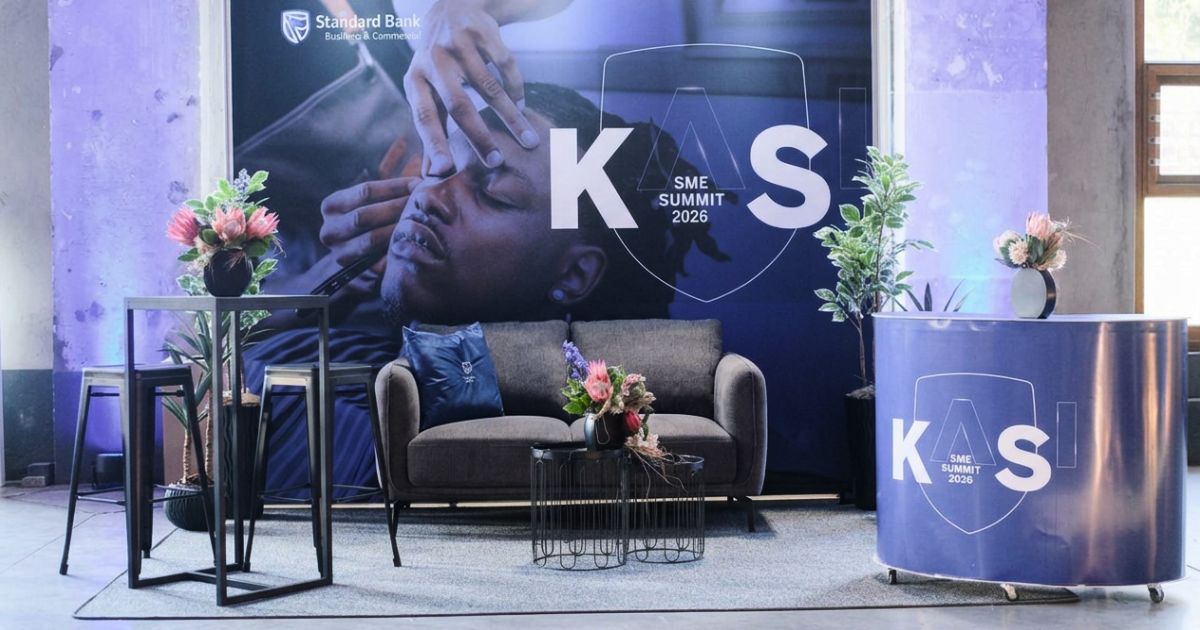
This is one of the issues discussed at the 2026 Standard Bank Kasi SME Summit, which took place in Gqeberha on Thursday, 27 August.
Now in its fourth year, the summit brought together entrepreneurs, business leaders, decision-makers, and business support organisations from across South Africa to discuss the opportunities and challenges facing township businesses.
This year’s theme was “Commercialising Kasi: Unlocking Competitive Township Businesses”, focused on helping township businesses move beyond simply surviving and towards building sustainable businesses that can grow and compete.
Why the Township Economy Matters
The township economy is estimated to be worth around R900 billion, showing how much business activity takes place in townships. But a large economy does not mean every business operating in it is sustainable.
Naledzani Mosomane, Head of Enterprise and Supplier Development at Business and Commercial Banking, Standard Bank South Africa, spoke at the summit about some of the challenges entrepreneurs face.
“We know that the township economy is R900 billion; entrepreneurs in that space lack resources,” said Mosomane. She also pointed out that many people start businesses because they need an income and to survive.
“People start businesses because they have to start a business but lack sustainability,” she said. This is why the conversation needs to go beyond simply encouraging people to start businesses. Entrepreneurs also need support to build businesses that can survive and grow.
What Does “Commercialising Kasi” Mean?
Now let’s break down the event theme and start with “Commercialising Kasi”. In simple terms, this means helping township businesses become stronger and more sustainable.
Entrepreneurs need to know what they are selling, who their customers are, and what those customers need. “What they are selling and who their target audience is” are some of the questions entrepreneurs need to answer, according to Mosomane.
Having this information can help business owners make better decisions. It can also help banks understand the business and what kind of support it may need. “If they had this kind of information, they could help them as Standard Bank,” Mosomane explained.
Why Business Records Matter
Another important point Mosomane raised was the need for entrepreneurs to keep proper business records. “As a bank, we look at data, what sector you are in, and see what funding or support you need,” she said.
Entrepreneurs need to know how much money is coming into their businesses and how much is going out. However, some township businesses do not consistently record their transactions. This can make it harder to understand how the business is performing and to apply for funding.
Keeping records is therefore not just paperwork. It helps township entrepreneurs understand their finances and gives banks a clearer picture of the business.
Funding Is Not the Only Answer
Funding and access to markets remain challenges for SMEs. But funding alone cannot fix a business that does not have a clear plan. Entrepreneurs need to understand their customers, finances, and what they want to achieve.
Mosomane encouraged entrepreneurs to speak to their banks and understand what support is available. “When you go to the bank, they will advise you on how they can support you,” she said.
Instead of waiting for a financial problem, business owners can build a relationship with their banker early and have regular conversations about their business.
Building Competitive Township Businesses
Continuing with the theme, let’s unpack “Unlocking Competitive Township Businesses”.
For a business to compete, it needs to offer something customers want and deliver it consistently. Mosomane highlighted the importance of having a consistent and innovative product.
Growing a business can also mean changing the way the owner works. “You have to let go of some of the things that you do in your business and focus on the most important thing,” she said. As a business grows, owners may need to delegate tasks and focus more on customers, strategy and growth.
A Message to the 2026 Top 10 Finalists
Head of Business Banking Coverage at Standard Bank, Umesh Madhav, congratulated the top 10 finalists and described them as builders shaping South Africa’s future.
“Businesses should not be defined by where they start but by the value they create,” he explained. The significance of a township business is thus not that it is based or born in the township, but rather that it is a business whose innovation started and grew beyond the informal sector. An entrepreneur in Soweto should be able to build a business of significant value just as an entrepreneur in Sandton. However, these entrepreneurs need support to become commercialised, and that is what makes the Standard Bank Kasi Summit invaluable to the sector.
Why the Summit Matters
The Kasi SME Summit is about more than bringing entrepreneurs together. It creates a space to discuss the real challenges township businesses face and what can be done to help them grow.
It also connects entrepreneurs with banks, corporates, policymakers and other organisations that can provide support, knowledge, funding and access to markets.
“The calibre of businesses that entered this year’s competition demonstrates that some of South Africa’s most exciting growth opportunities are emerging from township economies,” Mosomane said.
The message was clear: there is already significant business activity and talent in township communities. The challenge is helping more businesses become sustainable and competitive.
Ultimately, “Commercialising Kasi: Unlocking Competitive Township Businesses” is about helping entrepreneurs move from simply running a business to building one that can grow, create jobs, reach new markets and contribute to South Africa’s economy.
The GALXBOY Story
One of the insightful discussions that took place was the panel discussion, themed FireSide, with Thatiso Dube, founder and creative director of GALXBOY.
It stood out because it gave entrepreneurs in the room a practical example of what building a competitive township can look like.
Dube shared how GALXBOY started while he was still in high school, designing T-shirts for his crew. When other students wanted to buy the T-shirts, that is where the idea began to grow. He started with just R20 in pocket money given by his parents.
“I would save money from my pocket money from Monday to Friday and buy T-shirts, print them, and sell them,” he said.
The brand’s community-driven approach showed how understanding customers can help a small business grow.
The Kasi SME Pitch Challenge
The 10 finalists came from different industries, reflecting the range of businesses operating in township communities.
The pitch challenge gave each entrepreneur a chance to present their business and show what they have built.
Rodney Maduwa, founder of Maduwa Paint World, was named the winner and walked away with the R1 million prize. Ezempilo Primecare Clinic, founded by Sisanda Potye, was the first runner-up, while PSD Scents Perfumes, founded by Phumulile Mkhonza, came in as the second runner-up.