Who Pays When AI Orders Something You Don’t Want?

Picture this: You set up an AI shopping assistant to make purchases for you to save time. Then, one day, a box arrives; you open it, but there’s a problem: You didn’t order the item.
No worries, you contact customer service. You share your story and are surprised to find that even though your assistant accidentally ordered the wrong item, you can still be liable for the purchase.
Here is why current banking and merchant rules treat AI purchases as your financial responsibility.
Sign up for Kiplinger’s Free Newsletters
Profit and prosper with the best of expert advice on investing, taxes, retirement, personal finance and more – straight to your e-mail.
Profit and prosper with the best of expert advice – straight to your e-mail.
Why AI purchases can be your responsibility
(Image credit: Getty Images)
Think of an AI agent like someone you give a credit card to make a purchase. If they make the wrong purchase, it doesn’t matter to your bank because, from their end, you gave authorization for the transaction.
“It’s the new refund trap,” Aaron Painter, CEO of Nametag and author of Deepfaked, told Kiplinger. “If you authorize AI to act, the banks view it as your responsibility.”
Why? Because policy hasn’t caught up to modern technology. Painter notes that right now, convenience is being prioritized over accountability. The concern comes from a lack of consistent verification, as it can have serious financial consequences. Here’s why.
A security gap to close for AI purchases
(Image credit: Getty Images)
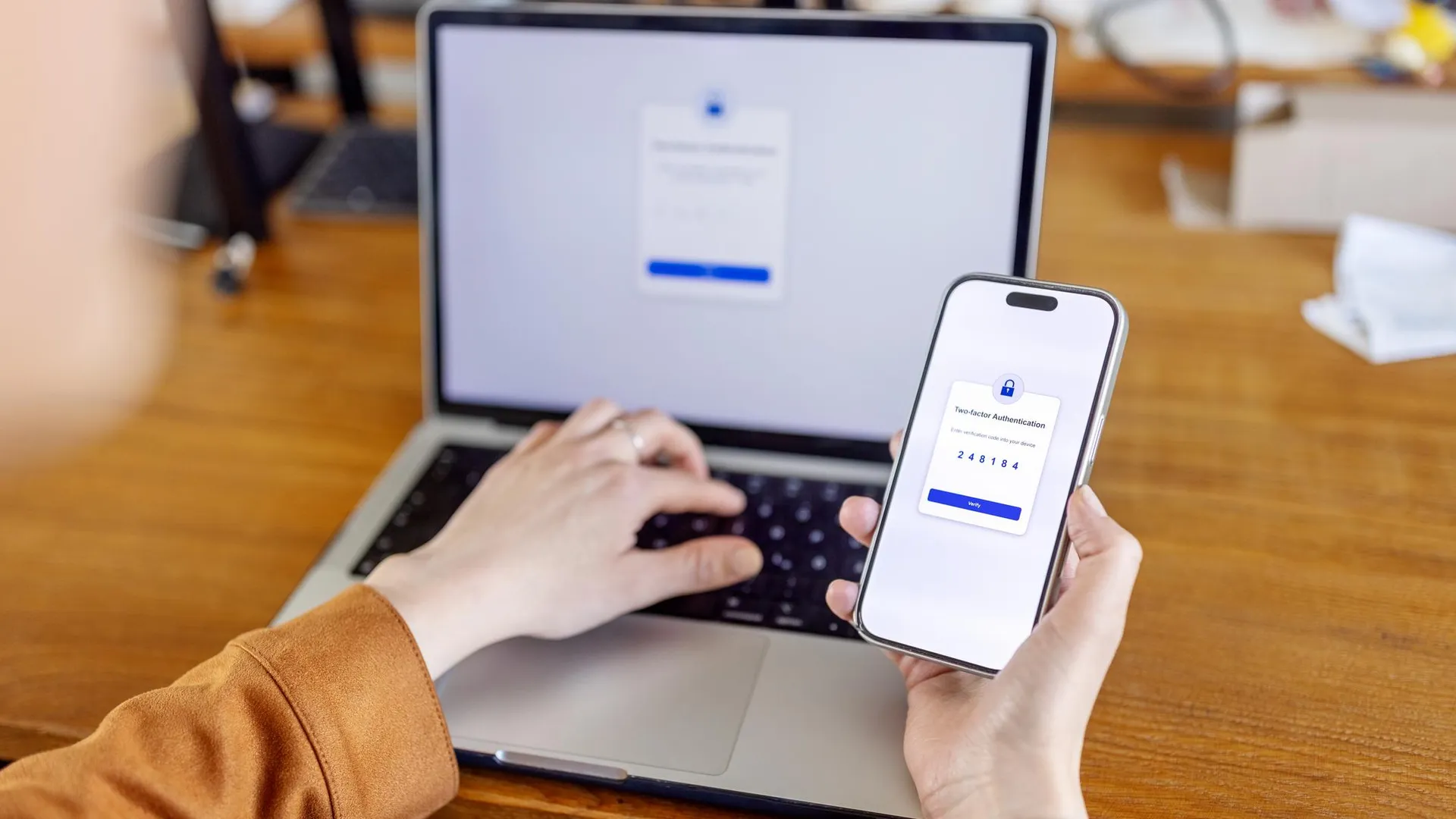
“When you log into a website to buy something, you have to provide personal information to establish a login,” Painter remarks. “Yet, once you do that, you don’t have to go back in and re-verify anything. Someone could literally access your account at any time, and from the retailer’s end, they can’t help but think it’s you doing these transactions.”
This authentication gap creates significant risks for autonomous shopping tools.
Sure, you could feel comfortable giving Amazon’s Alexa for Shopping permission to buy items for you. But what happens if someone hacks your Amazon account, or clones your phone to order items via text?
(Image credit: Alamy)
AI is only as trustworthy as the person behind it. That’s where security gaps can put you on the hook for purchases you didn’t authorize. Many apps verify your information (banks often ask for a picture of a government ID to set up an account), but that’s where the work ends.
Painter stresses the need for AI agents to reverify information. “This is doable. Agents can carry the ability to do so through encryption,” Painter adds.
To protect your financial accounts against these security gaps, you must take active safeguards. So, here’s how you can fight back.
How to protect yourself from rogue AI buys
(Image credit: Getty Images)
Painter recommends doing the following things:
- Give AI read-only access
- Check your bank’s terms regarding authorized agents or third-party providers
- Set up a dedicated checking account with a limited balance the agent can use
- If you plan to use a credit card, American Express is currently the only credit card provider offering protection against incorrect AI buys
- Activate real-time updates on that account
- Act fast if something goes wrong by contacting your bank, disputing in writing, revoking an agent’s access and taking screenshots of all transactions
- Be suspicious of urgent behavioral signals, such as someone asking for money, authorizing use or requesting your password
The best thing you can do with an urgent message is to slow down, pause and verify requests through secure channels. Anytime someone wants you to act fast, they’re banking on you not thinking things through, and that’s where mistakes happen.
Also, don’t be afraid to share your mistakes. This is new technology for everyone involved, and the more we know how deepfakes are used to devise scams, the more protected everyone will be. While it might be embarrassing at first, it’s okay to share with loved ones what happened, as bad-faith actors have no qualms about sharing information.
Overall, there isn’t much you can do if an AI agent buys something incorrectly on your behalf. Painter believes there will eventually be legislation to protect customers, but in the meantime, sharing knowledge, implementing best practices when using AI and avoiding scams are your best protection.