The Connection Between Cleanliness and Profitability
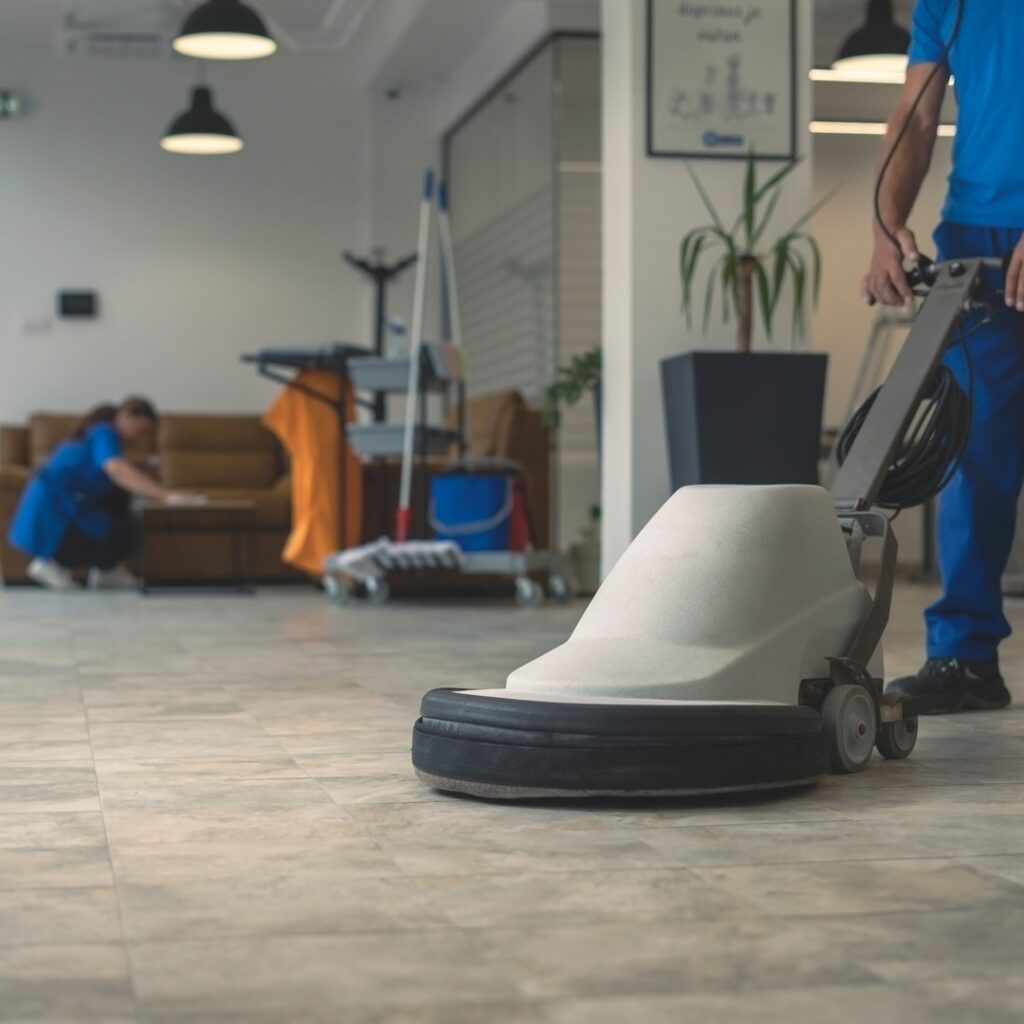
Image Credentials: 545916124 by Small365
Business owners often focus on sales, marketing, and customer acquisition when searching for ways to improve financial performance. However, the condition of a workplace can influence operating expenses, employee productivity, and customer confidence. The connection between cleanliness and profitability helps entrepreneurs recognize facility maintenance as an operational investment rather than an unavoidable expense.
Cleanliness affects businesses differently depending on their industry, facility size, and daily activities. A retail store needs attractive customer-facing spaces, while a warehouse must control debris that could interfere with equipment movement. Both environments benefit when owners approach cleaning as part of a broader business management strategy.
First Impressions Influence Customer Confidence
Customers begin evaluating a business before speaking with an employee. Floors, entrances, counters, and restrooms provide immediate clues about how carefully an organization manages its operations. Visible neglect may create doubts about service quality, even when the company delivers excellent products.
Clean environments help businesses communicate professionalism and attention to detail. Restaurants, retail stores, professional offices, and service providers can all benefit from maintaining spaces that customers feel comfortable entering. These impressions become especially important when customers compare several businesses offering similar services.
Owners should evaluate their facilities from a visitor’s perspective. Worn flooring, overflowing trash containers, and cluttered waiting areas may become familiar to employees who see them every day. Regular walkthroughs help identify concerns before customers encounter them.
Preventive Cleaning Helps Control Repair Costs
Facility maintenance becomes more expensive when businesses allow small problems to develop into larger ones. Dirt and abrasive debris can contribute to floor wear, while neglected spills may damage certain surfaces. Improper cleaning products can also create avoidable maintenance problems.
Routine cleaning helps owners identify developing issues before they require extensive repairs. Employees may notice damaged flooring, leaking fixtures, or unusual equipment conditions during scheduled maintenance activities. Prompt attention can reduce disruption and protect existing investments.
Business owners should follow manufacturer recommendations when selecting cleaning methods. Different flooring materials require specific products and maintenance techniques. Using inappropriate chemicals or abrasive equipment can shorten surface life instead of extending it.
Floor Maintenance Requires Proper Preparation
Commercial flooring often experiences concentrated traffic from customers, employees, carts, and equipment. Over time, protective finishes may deteriorate, leaving surfaces looking dull or uneven. Businesses sometimes need more intensive maintenance to restore appropriate appearance and performance.
Understanding how to and ultimately preparing floors for a stripping machine can help facility managers recognize the importance of clearing work areas, identifying compatible chemicals, and following equipment instructions. Proper preparation reduces the likelihood of accidental damage and unnecessary interruptions. Workers must also use appropriate protective equipment and establish safe access restrictions.
Floor stripping should never become an automatic response to every visible mark. Some materials require entirely different maintenance procedures, and excessive stripping can create unnecessary costs. Owners should evaluate the flooring type and existing finish before authorizing intensive work.
Employee Productivity Depends on Functional Spaces
A cluttered workplace creates distractions that can slow ordinary business activities. Employees may waste time locating supplies, navigating crowded storage areas, or correcting problems caused by poor organization. These interruptions become particularly expensive when they occur repeatedly.
Clean workspaces support more efficient movement and predictable routines. Employees can access necessary materials without searching through disorganized cabinets or equipment rooms. Clear pathways also help reduce certain trip hazards and unnecessary congestion.
Cleaning Costs Should Fit the Business Model
Not every business requires the same level of cleaning service. A small consulting office has different maintenance needs than a restaurant kitchen or manufacturing facility. Owners should build cleaning budgets around actual usage, applicable requirements, and the consequences of neglect.
Evaluating expenses requires more than comparing service prices. Labor hours, equipment costs, consumable supplies, and potential operational interruptions all contribute to the total cost of maintenance. A lower-priced service may provide poor value if it requires frequent corrective work.
Entrepreneurs should examine how cleaning expenses affect their broader financial performance. Learning to maximize profit margins as a small business involves reducing avoidable costs without compromising the standards customers and employees expect. The objective is efficient maintenance rather than indiscriminate spending cuts.
Outsourcing Versus Managing Cleaning Internally
Some businesses handle routine cleaning through existing employees, while others hire specialized contractors. Both approaches can work when owners clearly define responsibilities and evaluate the required expertise. The appropriate choice depends on facility size, cleaning complexity, and available resources.
Internal cleaning may provide flexibility for simple daily tasks. However, specialized floor restoration or commercial equipment maintenance may require training and machinery that employees do not possess. Outsourcing these assignments can sometimes reduce equipment purchases and operational complications.
Owners should evaluate prospective cleaning providers using the following consistent criteria:
- Experience with the facility’s flooring and operating environment.
- Clear service descriptions and documented responsibilities.
- Appropriate insurance and applicable qualifications.
- Transparent pricing and procedures for additional work.
- Scheduling flexibility that limits business interruptions.
A written service agreement helps prevent misunderstandings about expectations. Businesses should also review performance periodically instead of assuming that an established arrangement continues to meet their needs.
Measure the Financial Value of Maintenance
Owners should evaluate cleaning programs using measurable business outcomes rather than appearance alone. Maintenance expenses, customer complaints, repair frequency, and employee feedback can reveal whether existing procedures work effectively. These indicators help managers identify improvements without relying on assumptions.
For example, a business might compare flooring repair expenses before and after adopting a more consistent maintenance schedule. Another company could track the labor hours employees spend handling unexpected cleaning problems. Such comparisons provide useful information when management considers changes.
Owners should avoid attributing every improvement in sales or productivity directly to cleanliness. Many factors influence business performance, including pricing, staffing, and customer demand. Still, maintenance data can demonstrate whether cleaning practices support more efficient operations.
Turn Cleanliness Into a Business Advantage
Successful entrepreneurs understand that profitability depends on controlling expenses while maintaining customer confidence. Consistent cleaning practices help protect facilities, support employees, and reduce avoidable operational problems. Businesses that manage maintenance proactively can make better use of their existing resources.
Recognizing the financial value of workplace cleanliness encourages owners to treat facility care as an important management responsibility. Thoughtful scheduling and appropriate service partnerships can support long-term business performance. For more information on entrepreneurship, operational improvements, and business opportunities, explore Home Business Expo for more.
Image Credentials: 545916124 by Small365
Find a Home-Based Business to Start-Up >>> Hundreds of Business Listings.