Noise, Privacy and Hinged Door Comparison
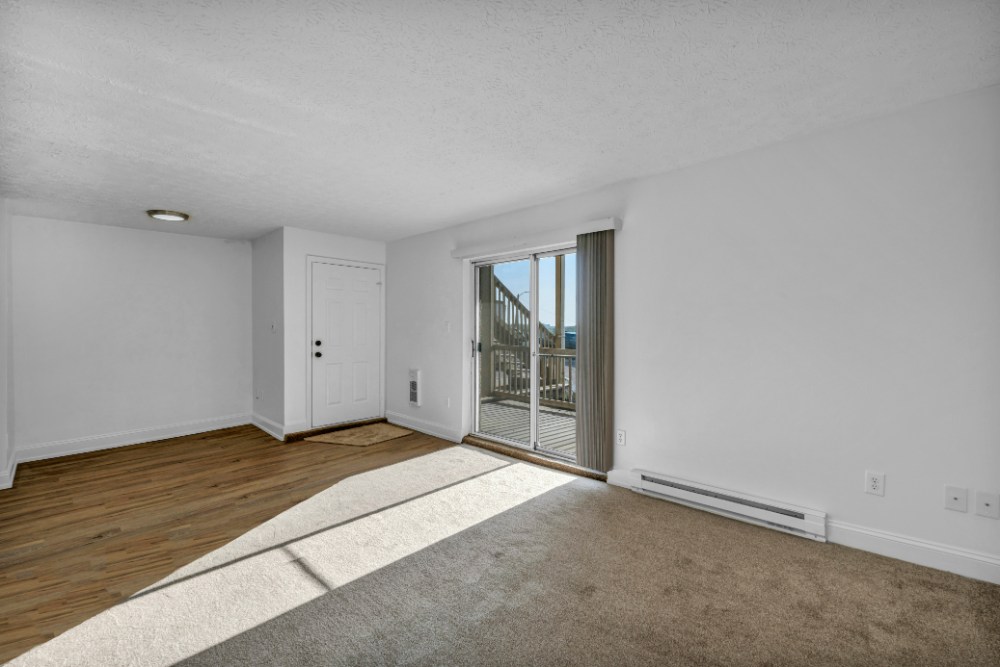
A sliding door generally lets a little more sound pass between rooms than a well-fitted hinged door, mainly because it needs a gap around its edges to operate smoothly. This difference matters most in rooms used for sleeping, working, or quiet study, where privacy and sound control are genuinely important. Providers such as Direct Doors stock both styles, allowing homeowners to weigh this trade-off against the space-saving benefits a sliding door offers.
Why Sliding Doors Naturally Allow More Sound Through
A hinged door closes into a rebated frame that compresses a seal along its full edge, which blocks sound far more effectively than a sliding door running along an open track. Sliding doors need a small clearance gap to move freely, and this gap is exactly where sound leaks through most easily. Some premium sliding systems include brush seals or compression strips to reduce this effect, though they rarely match a hinged door for complete sound isolation. Understanding this trade-off in advance helps a homeowner choose the right door for each specific room.
Rooms Where the Sound Difference Rarely Matters
A sliding door works well between a kitchen and dining area, or between a hallway and a living room, where a small amount of sound transfer has little practical impact on daily life. These are also the rooms where the space-saving benefit of a sliding door matters most, since a swinging door would otherwise take up valuable floor space. Choosing a sliding door for these lower-priority areas, while reserving hinged doors for bedrooms and studies, creates a good balance across the whole home. This room-by-room approach often works better than applying a single door style throughout a property.
Where Privacy Becomes the Priority
A bedroom, home office, or bathroom benefits far more from the tighter seal a hinged door provides, particularly in a busy household where several people are active at different times. A study used for video calls or concentrated work also suffers noticeably from sound bleeding in through a sliding door gap. In these rooms, the convenience of a sliding door rarely outweighs the practical downside of reduced privacy. Many suppliers also offer a wide range of hinged internal doors suited to exactly this kind of room.
Improving Sound Performance on a Sliding System
A homeowner who prefers the look and space-saving benefit of a sliding door doesn’t have to accept poor sound performance. Adding acoustic seals around the track and choosing a solid core door, rather than a hollow or lightweight option, both improve sound resistance considerably. A well-fitted track with minimal play also reduces the rattling and vibration that can make a sliding door feel noisier than it actually is. These upgrades cost relatively little compared with the overall door and installation budget.
Weighing Space Against Sound in a Small Home
A smaller home often benefits enormously from the floor space a sliding door frees up, since a swinging hinged door needs a clear arc in front of it that a sliding door does not require. This space saving can make a genuine difference to how a small room is furnished and used day to day. Balancing this benefit against the sound and privacy trade-off is a personal decision that depends heavily on how a specific room is used. Considering both factors together, rather than focusing on space alone, leads to a better long-term choice.
Choosing the Right Door for Each Room
Understanding why sliding doors allow more sound through, recognising which rooms tolerate this well, identifying where privacy should take priority, knowing how to improve sound performance, and weighing space against sound together help a homeowner make a considered choice. Suppliers usually provide both sliding and hinged internal doors, giving homeowners the flexibility to match the right style to each room rather than choosing one option throughout an entire home. This room-specific approach often produces the most comfortable and practical result. Walking through each room and its typical daily use before ordering doors often reveals a clearer answer than trying to settle on one style for the whole house, and it avoids assuming one solution will suit every space equally well.
Find a Home-Based Business to Start-Up >>> Hundreds of Business Listings.