Copenhagen Design, Bergen Work Culture
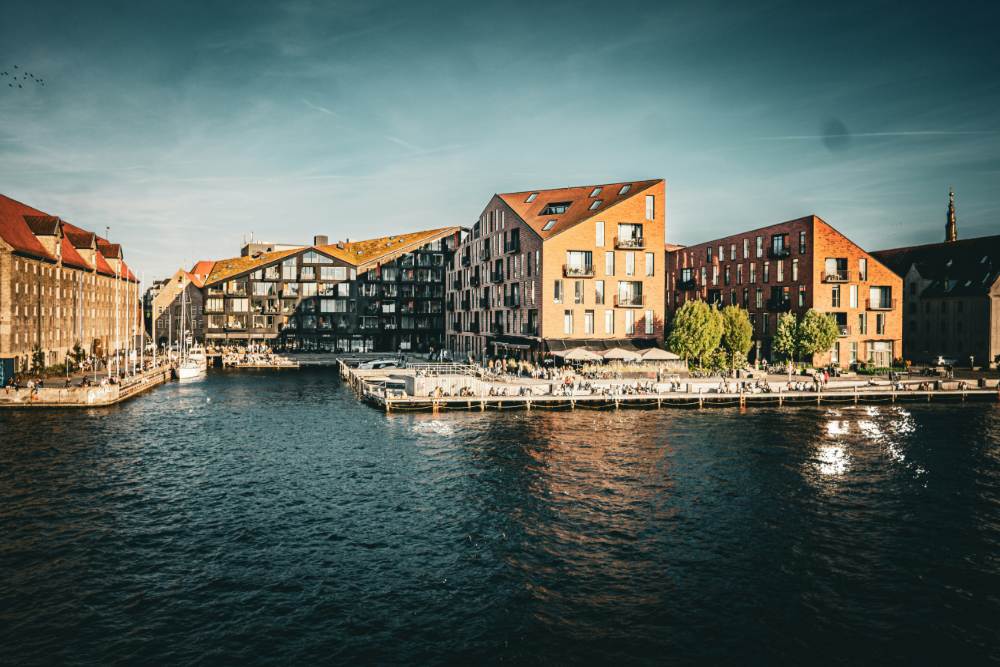
Scandinavia has a reputation for doing things differently, from the clean lines of its furniture and architecture to the way cities are planned around public transport, cycling and accessible public spaces. For business travellers, that combination can be especially interesting. Copenhagen brings a polished design culture and an international business environment, while Norway adds dramatic scenery and a working culture shaped by its relationship with nature. A journey through the region can therefore become more than a series of meetings. Copenhagen, Stockholm, Oslo and Bergen each reveal a different side of Nordic life, and travelling between them gives professionals a chance to experience the contrasts rather than simply reading about them. The result is an itinerary that combines urban sophistication, practical infrastructure and some of Europe’s most striking landscapes.
Copenhagen’s Design Philosophy In Everyday Life
Copenhagen’s reputation for design is visible long before you step inside a showroom. Streets, public squares, cafés and offices tend to favour clean forms and practical details, creating environments that feel considered without being excessively formal. Danish design has traditionally focused on usability as much as appearance, and that principle remains visible in contemporary interiors. For business visitors, this can make the city particularly pleasant to navigate. Cycling infrastructure is extensive, public transport is straightforward and many central areas can be covered on foot. Meetings can often be combined with a walk through a neighbourhood, allowing visitors to experience the city without needing to schedule separate sightseeing sessions. The design culture also extends into hospitality. Hotels, restaurants and cafés frequently use natural materials, restrained colours and carefully chosen lighting. For informal meetings, there is rarely a shortage of spaces where good coffee and a professional setting come together.
From Copenhagen To Stockholm By Rail
The connection between Denmark and Sweden is one of the easiest ways to expand a Nordic business itinerary. The Copenhagen to Stockholm train links two major Scandinavian capitals and provides an alternative to flying between meetings. The journey takes several hours, but that time can be used for catching up on emails, preparing presentations or simply stepping away from a busy schedule. Stockholm introduces another dimension to Nordic urban culture. Built across a collection of islands, the Swedish capital combines historic districts with contemporary offices, technology companies and a strong creative sector. Gamla Stan provides the traditional backdrop, while areas such as Södermalm and the modern business districts show how the city has evolved.
Stockholm’s Approach To Work and City Life
Stockholm has become closely associated with technology, entrepreneurship and innovation, but its professional culture sits alongside a strong emphasis on everyday quality of life. Offices tend to place considerable value on collaboration, flexibility and employee wellbeing, while the city itself makes it relatively easy to move between work and leisure. The concept of taking a proper coffee break is also firmly established. Fika is often described simply as a coffee break, but it can be much more social than that definition suggests. For visitors, joining colleagues for coffee and something sweet can provide a more natural opportunity for conversation than another formal meeting.
Oslo: Business With Nature Nearby
Travelling into Norway changes the visual character of the itinerary. Oslo combines a growing business and cultural scene with forests, hills and the Oslofjord close to the city. A professional schedule can therefore include both modern offices and surprisingly easy access to outdoor spaces. The waterfront has undergone significant redevelopment, with museums, restaurants and public areas replacing former industrial sites. The Opera House is among the best-known examples, but the wider harbour area demonstrates how Oslo has incorporated public access into its urban planning. For professionals staying longer than a couple of days, the city’s proximity to nature is particularly useful. A walk through the forest or along the waterfront can provide a genuine break from screens and conference rooms without requiring a full-day excursion.
Bergen Changes The Scale Completely
Bergen feels very different from the Scandinavian capitals. The city is surrounded by mountains and water, with colourful historic buildings clustered around the harbour. Bryggen, the famous row of wooden structures, provides one of the clearest reminders of Bergen’s history as an important trading centre. The natural setting is impossible to ignore. Mountains rise immediately behind the urban area, and viewpoints such as Mount Fløyen reveal how compact the city is compared with the vast landscapes surrounding it. Nordic efficiency also makes Bergen an interesting destination for business travellers, as even a short walk can provide a dramatic change from the office environment.
The Bergen To Oslo Route
The Bergen to Oslo train is one of the most scenic rail journeys in Norway, crossing mountain landscapes and high plateaus before reaching the capital. Rather than treating it simply as a transfer, travellers can make the journey part of the itinerary itself. For professionals, the train has another advantage. Several hours of uninterrupted travel can create useful space for reading, planning or catching up on work. At the same time, the scenery outside the window provides a welcome distraction from the usual rhythm of business travel.
What Nordic Work Culture Can Teach Visitors
The working cultures of Denmark, Sweden and Norway are not identical, but they share several characteristics that international visitors often notice. Nordic efficiency is reflected in relatively flat hierarchies, less formal meetings and a strong emphasis on punctuality without creating an atmosphere of excessive ceremony. There is also a strong distinction between professional responsibilities and personal time. Long hours are not automatically treated as a sign of commitment, and workplace discussions can place considerable emphasis on collaboration and practical solutions. Visitors should still avoid making broad assumptions, since individual companies and industries operate differently.
Design That Serves People
One of the most interesting connections between Nordic design and workplace culture is the emphasis on function. A beautifully designed chair still needs to be comfortable, while a modern office needs to support the people working inside it. This practical approach can be seen in everything from furniture and lighting to public transport and urban planning. Nordic efficiency is reflected in Copenhagen’s streets, which demonstrate this principle particularly well. Cycling is not simply presented as a lifestyle statement but supported through infrastructure that makes it a realistic mode of transport. Stockholm and Oslo similarly place considerable attention on how people use public spaces, while Bergen’s compact layout makes the relationship between the city and its natural surroundings unusually immediate.
Making a Nordic Business Trip More Memorable
A work itinerary does not have to be overloaded with sightseeing to feel worthwhile. Choosing a few experiences outside the working day can be enough. A design museum in Copenhagen, a waterfront walk in Stockholm, an evening beside Oslofjord or a mountain viewpoint in Bergen can all provide a stronger sense of place. Nordic efficiency makes it easier to balance professional commitments with leisure experiences. Food can play the same role. Danish pastries, Swedish fika traditions and Norwegian seafood offer simple introductions to local culture without requiring elaborate plans. Business dinners can also become opportunities to understand how each city approaches hospitality.
From Efficient Cities To Open Landscapes
A route through Copenhagen, Stockholm, Oslo and Bergen reveals several different interpretations of Nordic life. Copenhagen demonstrates how design can shape ordinary surroundings, Stockholm combines innovation with an established urban culture, Oslo places business and nature unusually close together, and Bergen provides a dramatic reminder of Norway’s geography. For business travellers, the region’s greatest appeal may be the way these elements coexist. Nordic efficiency makes it possible to move between cities through efficient transport, while thoughtful urban planning leaves room for work, social life and time outdoors. A Nordic business trip can therefore be productive without feeling entirely consumed by the working day, which may be one of the most useful lessons to take home.
Find a Home-Based Business to Start-Up >>> Hundreds of Business Listings.