
This One-Of-A-Kind Chrysler Concept Has Sat On The Ocean Floor For 60 Years
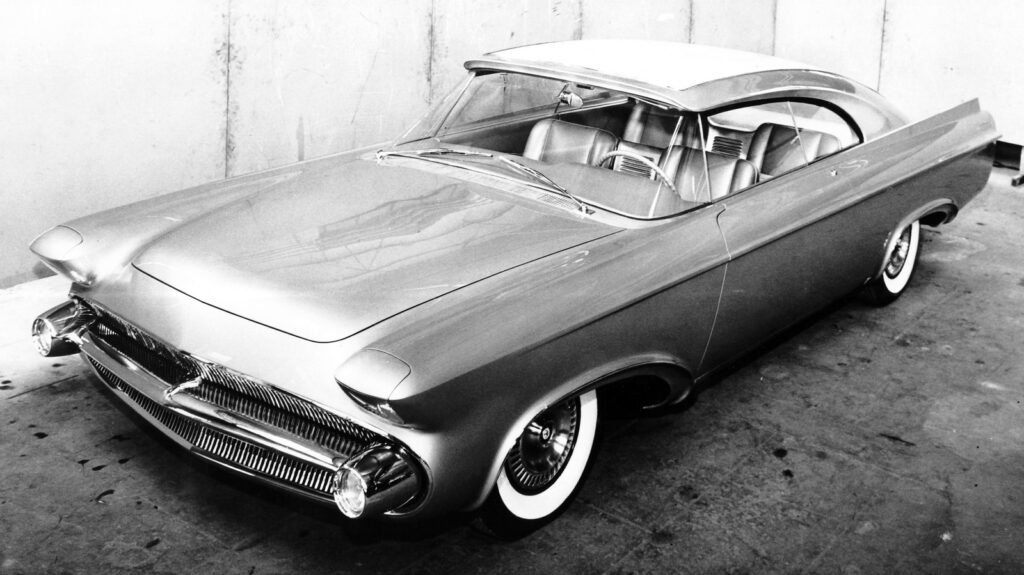

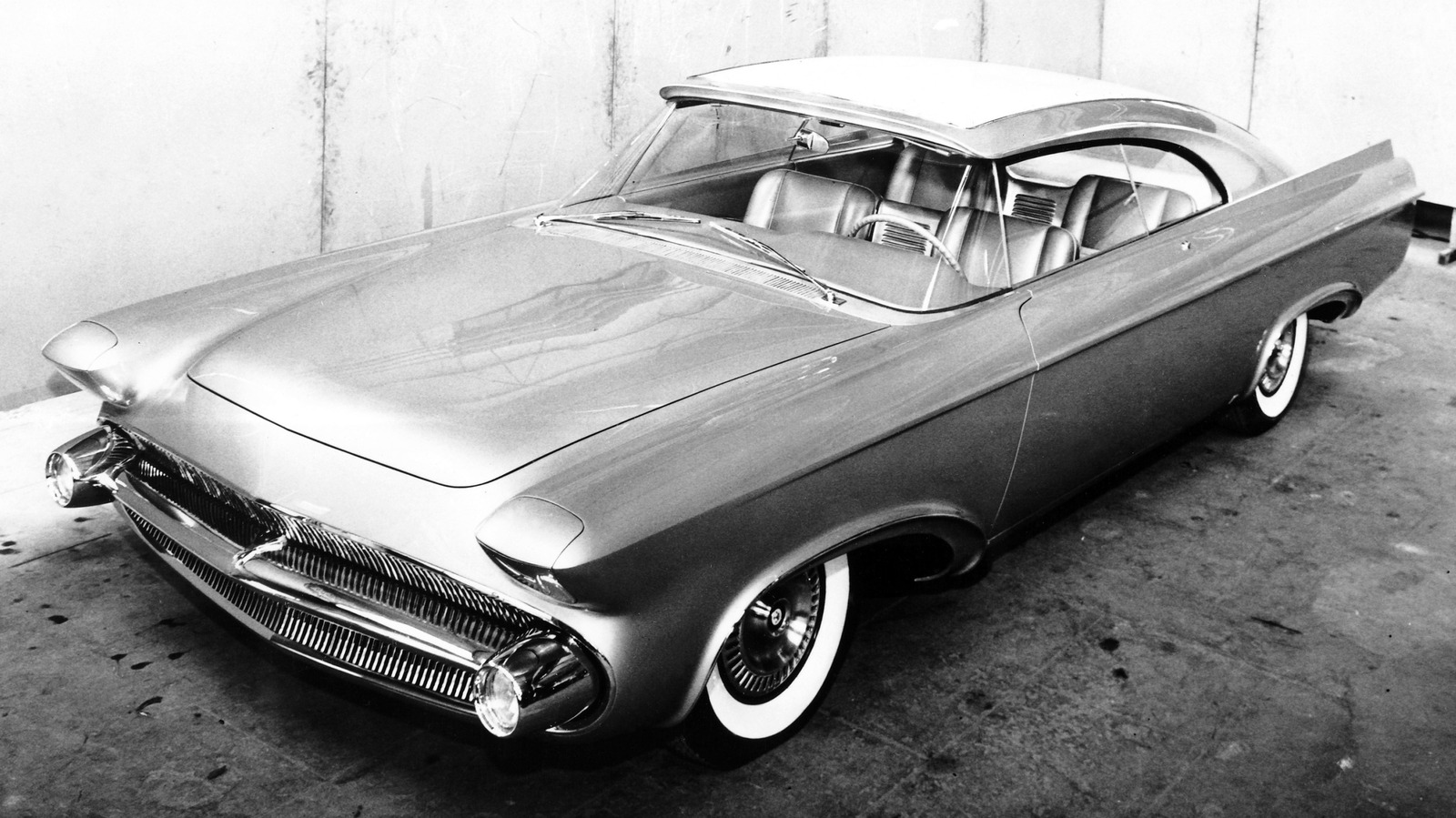
July 25, 1956 was a sad one for fans of both concept cars and ocean-going luxury liners. This was the day the SS Andrea Doria collided with the SS Stockholm and sank a day later, taking its cargo of one very special Chrysler concept car with it. The Chrysler Norseman concept, shown above, was the result of 50,000 hours of work, including the 39 months it took to design and build. The Chrysler Norseman is one of the classic Chrysler concept cars that history forgot.
The Chrysler Norseman, a joint venture of Chrysler and Carrozzeria Ghia in Turin, Italy, displayed groundbreaking design features, including its pillarless roof construction that did away with the A-pillar and provided an unobstructed view through the car’s windshield. It was claimed to handle eight times the car’s weight in the event of a rollover. Other Norseman features were its all-aluminum major body panels for weight reduction, its sloping fastback roof, dominant tail fins for that jet-age look, hidden headlights, and concealed trunk and door openers. The glass rear window was retractible, moving up and into the roof for additional ventilation. It had a 129-inch wheelbase and measured 227 ½ inches long, 80 inches wide, and 57 inches high.
Inside, the Norseman promised the future, with four individual bucket seats finished in two shades of leather and pods holding the car’s controls and instruments. An additional aerodynamic benefit came from a covering placed underneath the car’s body. It definitely qualifies as one of the strangest cars ever built by Chrysler.
What else should you know about the Chrysler Norseman and the Andrea Doria?
The Chrysler Norseman was a fully functional vehicle, not an unpowered styling fantasy. It used a 331-cubic-inch V8 producing 335 horsepower, mated to a two-speed, push-button automatic transmission driving its rear wheels. Unfortunately, the Chrysler Norseman would never become the star of the 1957 auto show circuit, thanks to its date with destiny.
It was a dark and foggy night, but both the Andrea Doria and the Stockholm ocean liners, which are different from cruise ships, were equipped with radar, which should have alerted them to each other’s presence. Human error on both ships’ parts caused them to collide at an angle close to 90 degrees. The Stockholm’s reinforced bow, made to break Arctic ice, sliced into the Andrea Doria’s hull, opening up its watertight compartments on the starboard side. This caused the ship to list to that side, making the portside lifeboats unusable. The ship would remain afloat for another 11 hours, allowing other ships on this heavily-traveled route to come to the rescue. By 5:30 a.m. on July 26, most of the survivors were rescued and placed on other ships. At 10:09 a.m., the Andrea Doria sank to the bottom of the Atlantic, coming to rest on its starboard side in 260 feet of water.
This sad event resulted in the loss of 51 lives, 46 on the Andrea Doria and five on the Stockholm. As for the Chrysler Norseman, a diver who visited the wreck in the mid-1990s reported its condition as, “…most of the car is rust, corrosion and a heap of indistinguishable junk.”