
Turkey seeks Black Sea shipping deal as attacks threaten grain trade – International report
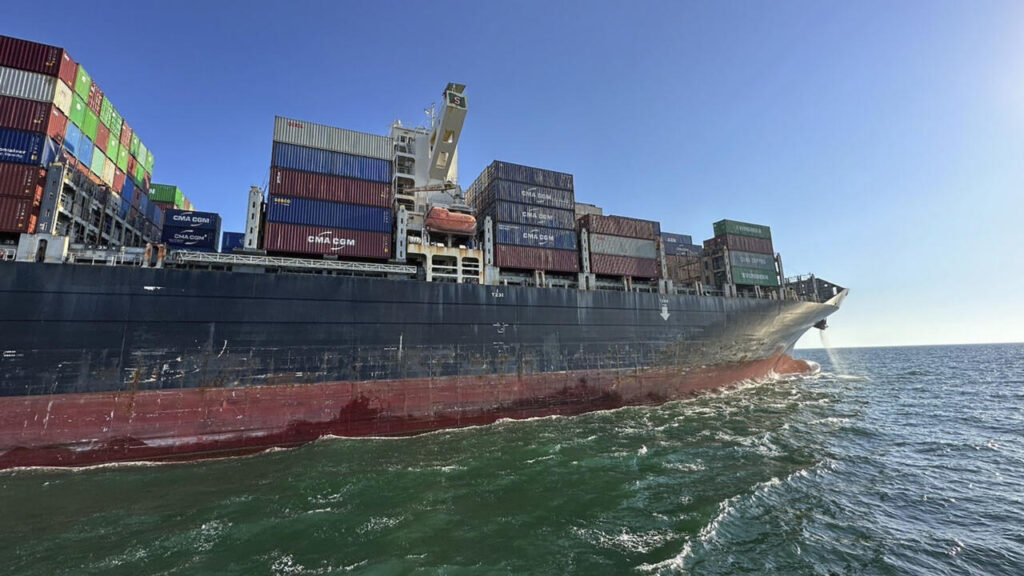

Turkey is racing to restore safe passage for cargo ships in the Black Sea as attacks on shipping disrupt grain exports and push up prices. Russia and Ukraine are major global wheat exporters, but Black Sea trade has been severely disrupted as both sides step up attacks on shipping and port infrastructure.
Turkish Foreign Minister Hakan Fidan announced this week that Turkey was working on a plan to ensure safe passage in the Black Sea for commercial shipping and said he was in touch with both Ukraine and Russia.
Turkish President Recep Tayyip Erdogan confirmed that he raised the issue with his Russian counterpart, Vladimir Putin, on the sidelines of a gathering of regional leaders in Kyrgyzstan.
The Turkish move comes as Ukraine and Russia have ramped up their attacks on shipping and ports in and around the Black Sea. In 2022, Turkey and the United Nations brokered a deal between Ukraine and Russia to ensure safe passage for Ukrainian grain exports through the Black Sea.
The agreement lasted a year.
While Turkey has maintained good ties with both sides, reaching another agreement will be much harder, warned international relations professor Huseyin Bagci of Ankara’s Middle East Technical University.
“The tension is increasing more than ever before,” Bagci said. “It’s not enough to have good relations, because the two sides – the Ukrainians and Russians – should sit down and talk about a common solution to this problem. Turkey cannot solve this problem alone.”
What the SDF’s dissolution means for Syria’s Kurds and neighbouring Turkey
Growing attacks
In August Ukraine offered a ceasefire on commercial shipping, but the offer was rejected by Moscow, which said it wanted a broader deal. Ukrainian drones continue to strike Russian shipping, while Russia has continued missile attacks on Ukrainian ports and ships.
This surge in attacks comes as both nations rush to export their grain harvests.
Grain prices have risen sharply, by as much as 30 percent, international grain broker Can Atbasoglu said, even as both sides scramble to find new routes for their exports.
“Russia will do their best to export as much as they can, both from Russian Baltic ports and EU Baltic ports like Latvia and Lithuania; they’re also exporting,” Atbasoglu said.
“Ukraine will also export as much as they can from Romania as well and through the Danube ports. But the export pace will be definitely lower. So it will definitely stay bullish for the markets. Prices are definitely going to stay like this or can have a further increase.”
Fears of wheat price surge amid Ukraine-Russia clashes in the Black Sea
Ships staying put
At one of Istanbul‘s many shipyards, the docks are crowded with ships that once braved the Black Sea. One vessel bears the scars of a drone attack and is under repair. Others undergo routine maintenance as shipowners hesitate to risk new journeys into dangerous waters.
The superintendent of one ship, speaking anonymously, says repairs are nearly finished, but uncertainty clouds the future.
“We wanted to take the ship out to the Black Sea before entering the shipyard, but because of that risk, we didn’t enter the Black Sea and didn’t take on any cargo. We’ve been in the shipyard for 50 days for repairs, but we don’t know what will happen once the repairs are finished,” the superintendent said.
Turkish shipowners warn that many are on the brink of bankruptcy, as idle ships rack up costs of up to 50,000 euros a month in mooring and crew expenses.
Ziya Ustel, CEO of Turkish shipping company VI-ZA STAR, says high freight rates are being offered for Black Sea routes, but the risks are too great.
“They are offering high freight rates, etc,” Ustel said.
Without a diplomatic solution, few shipowners will be prepared to risk their vessels, Ustel warned.
“The main thing is to find out a real solution,” Ustel added. “Otherwise, no one will try anything anymore.”
Turkish diplomacy
Ankara is expected to step up its efforts to find a solution.
Grain brokers say hopes of a diplomatic breakthrough may be one reason prices have so far remained below the record highs seen at the start of the war.
But if Turkish efforts fail and attacks on Black Sea shipping continue, higher grain prices could have a considerable impact, especially on the world’s poorest nations, many of which depend on Russian and Ukrainian grain.